


Most skincare content about Autumn was written for the northern hemisphere. We see it every year at The Skin Centre: patients coming in with skin concerns that developed over March and April, following advice that assumed their climate looks nothing like ours.
Australian Autumn is its own thing. And your skin knows the difference.
Here is what is actually happening to your skin as the season shifts, and the practical routine changes worth making.
The UV situation is not what most people think
The number one misconception we hear in clinic is that Autumn means you can relax on sun protection. In most parts of Australia, the UV Index stays between 3 and 6 right through April and May. That is still enough to cause cumulative skin damage, and enough to destabilise some of the active ingredients in your routine if your formulations are not designed for it.
This matters because Autumn is also the time people start reaching for more potent actives. If your products contain ingredients that increase UV sensitivity and they are not formulated with that in mind, you are trading one problem for another.
The routine shift is not about dropping sun protection. It is about adjusting everything else around it.
Your skin barrier is about to work harder
As humidity drops through Autumn, your skin loses its ambient moisture support. The air is simply drier, and your skin barrier has to compensate. For most people this shows up gradually: a little more tightness after cleansing, occasional flaking around the nose or hairline, or a sense that your skin is drinking your moisturiser faster than it used to.
At The Skin Centre we see this particularly in patients with rosacea and reactive skin. The temperature fluctuations that come with autumn mornings and evenings create a stress response in already sensitive skin. Blood vessels dilate and constrict more frequently, which often means more visible redness.
What this signals is that your barrier needs more active support than it did in summer, not just more product. The distinction matters. Piling on a heavier moisturiser without supporting the barrier itself gives you temporary comfort but does not address what is driving the dryness.
Look for formulations that include barrier-supporting ingredients alongside their humectants. Ceramides, niacinamide and barrier-compatible occlusives are worth prioritising now.
Breakout-prone skin behaves differently in Autumn
This one surprises people. You would expect that as the heat and humidity of Summer drops off, breakout-prone skin would improve. Often it does. But in the transition period, especially March and early April, we see a different pattern.
The change in humidity and temperature affects how quickly skin cells turn over and how sebum behaves. For some patients this means an uptick in congestion and closed comedones, even if their skin was relatively clear through Summer.
If you are noticing this, the likely culprit is a mismatch between your Summer routine and your Autumn skin. A gentle Summer cleanser that served you well in the heat may not be keeping pace with the congestion your skin produces as conditions change.
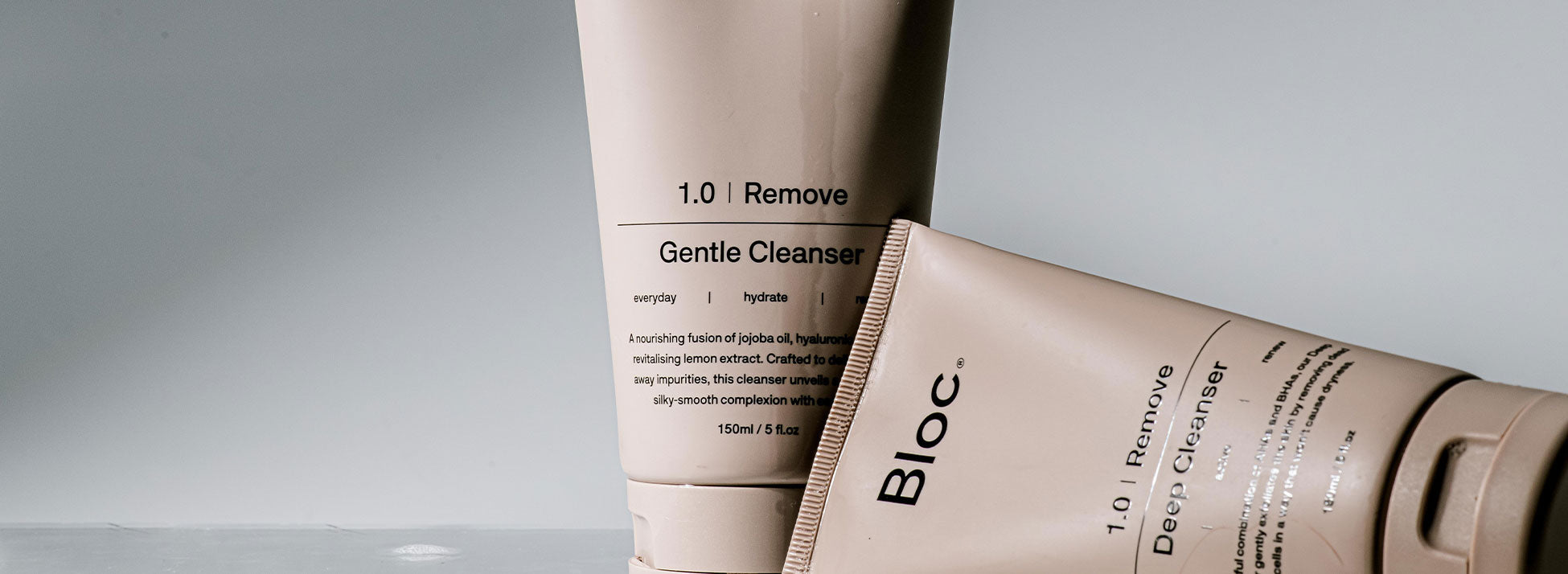
This is the time to consider a more active cleanse, specifically one that can clear congestion without stripping the barrier. AHA and BHA combinations at clinical concentrations do this well. The key is that the concentrations are high enough to actually work while the formulation is balanced enough not to compromise your barrier function. That balance is harder to achieve than most brands let on.
Autumn is the best time to start a peptide routine
There is a clinical reason why we recommend patients begin peptide-based skin longevity routines in autumn rather than summer.
Retinol and some other actives used for ageing concerns increase UV sensitivity, which makes them harder to use responsibly during the high-UV Summer months. Autumn reduces that risk, making it the natural entry point for adding more potent anti-ageing-focused ingredients to your routine.
Topical peptides are a strong option here because they do not carry the same UV sensitivity risk and have solid clinical evidence behind them. Bakuchiol is particularly relevant in an Australian context: it delivers comparable skin longevity benefits to retinol without the photosensitivity concern, meaning you can use it year-round without worrying about the UV Index on your walk to work.
If anti-ageing is a goal for you, starting in March or April means you will be well into your results by the time summer comes back around.
The practical routine changes worth making
You do not need to overhaul everything. These are the adjustments that tend to make the most meaningful difference.
Step up your cleanser. If you defaulted to something very gentle or minimal over Summer, Autumn is the time to use a cleanser that can actively support skin health rather than just maintaining it. For breakout-prone skin especially, moving to an AHA and BHA formulation now will help manage the congestion shift that comes with the seasonal change.
Transition your moisturiser. The lightweight moisturiser that suited summer humidity may not be enough now. Consider moving to a medium-weight formulation with barrier-supporting ingredients. Reserve the heavier options for June and July when conditions are at their driest. The goal is a graduated increase, not jumping straight to your thickest option.
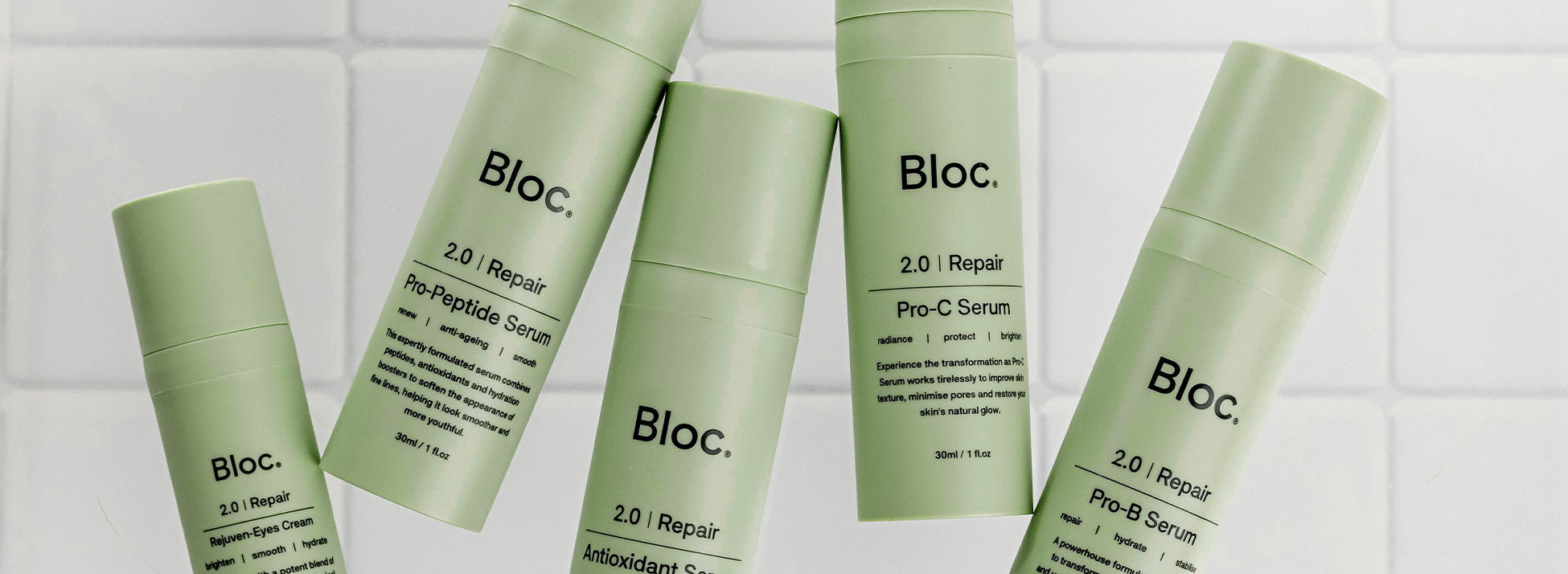
Keep your antioxidant serum. With UV still a genuine concern through Autumn, your antioxidant protection remains relevant. An all-in-one antioxidant serum that addresses oxidative stress and environmental damage is worth keeping as a morning staple.
Add a peptide serum if skin longevity is your goal. As discussed above, this is genuinely the best window of the year to start. You want a formulation with clinical concentrations, not the token amounts that show up on many ingredient lists purely for marketing purposes.
Maintain SPF. Non-negotiable, even in May. A lighter SPF formulation suited to cooler conditions is fine, but dropping it entirely is not.
A note on Australian formulations
Much of the skincare available here was developed for European or North American climates. Those formulations account for a UV load, temperature range and humidity profile that simply does not match what Australian skin experiences.
This is not a minor detail. A formulation developed for a mild European Autumn behaves differently when Australian conditions are still pushing UV Index 4 through May. It is one of the reasons we developed Bloc's range specifically for this climate, drawing on years of treating patients in Queensland conditions rather than adapting international formulations for a market they were never designed for.
Autumn is genuinely one of the better seasons for your skin, provided your routine moves with it. The lower UV intensity makes it easier to introduce more active ingredients, the cooler temperatures are less taxing on reactive skin, and the shift from summer to winter gives you a natural reset point.
Make the adjustments now and your skin will be in a stronger position heading into Winter.
Dr Andrew Freeman is a Dermatologist and Co-Founder of Bloc Skincare, formulated at The Skin Centre on the Gold Coast.
Want to know which products suit your skin in autumn? Take our skin quiz for a personalised routine recommendation.

