

Perimenopause brings a shift in more than just hormones - it changes how your skin looks, feels, and responds to the products you’ve relied on for years. You may notice increased dryness, sensitivity, loss of firmness, or even unexpected breakouts. These changes are completely normal, but they often leave many people unsure of how to adapt their routine.
In this guide, we answer the most common questions around perimenopausal skincare - from why these changes happen to how you can support your skin with the right ingredients and routine.
1. What happens to skin during perimenopause?
During perimenopause, declining oestrogen levels can lead to dryness, thinning skin, increased sensitivity, loss of firmness, dullness, and sometimes adult acne. Skin may also become slower to heal and more reactive to products it once tolerated.
2. Why does my skin suddenly feel drier than before?
Hormonal changes reduce the skin’s natural oil production and weaken the lipid barrier. This leads to increased water loss, leaving skin feeling tight, flaky, and dehydrated.
3. Can perimenopause cause breakouts?
Yes. Hormonal fluctuations can increase oil production while slowing cell turnover, leading to clogged pores and adult hormonal breakouts — often around the jawline and chin.
4. Why does my skin look thinner and less firm?
Oestrogen plays a key role in collagen production. As levels decline, collagen and elastin reduce, making skin appear thinner, less plump, and more prone to fine lines and sagging.
5. How should I change my skincare routine during perimenopause?
Focus on:
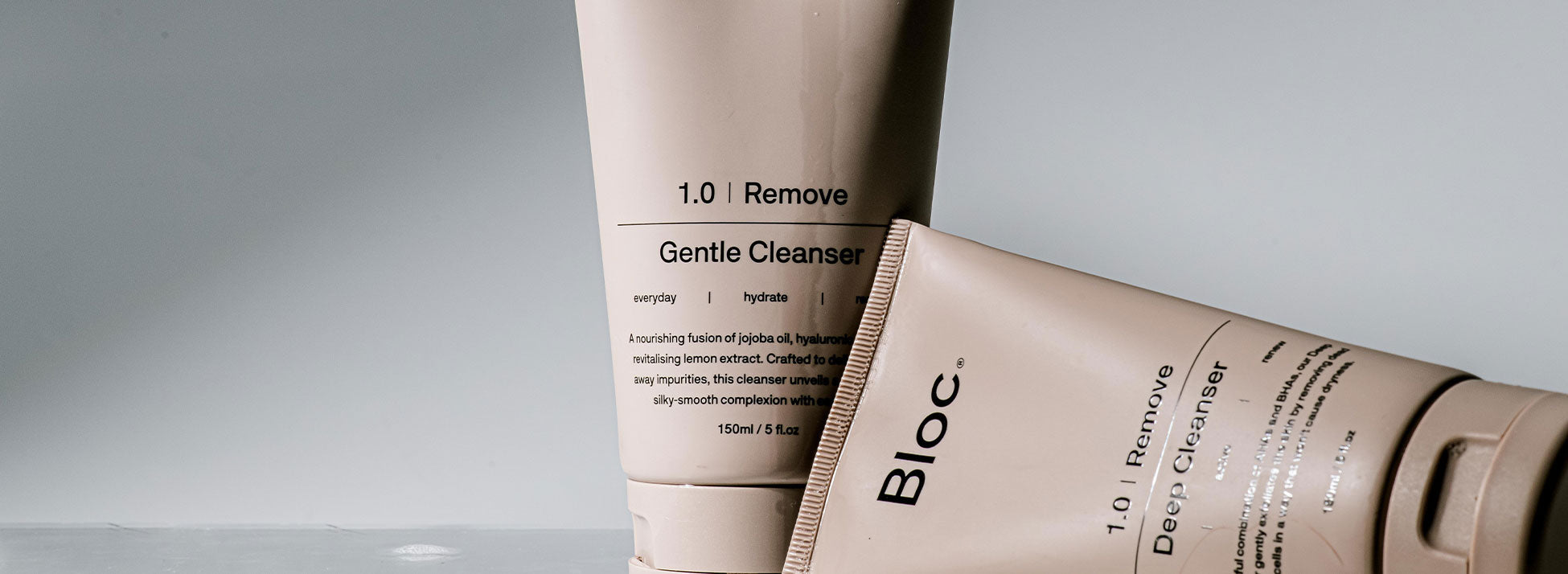
• Gentle, non-stripping cleansing
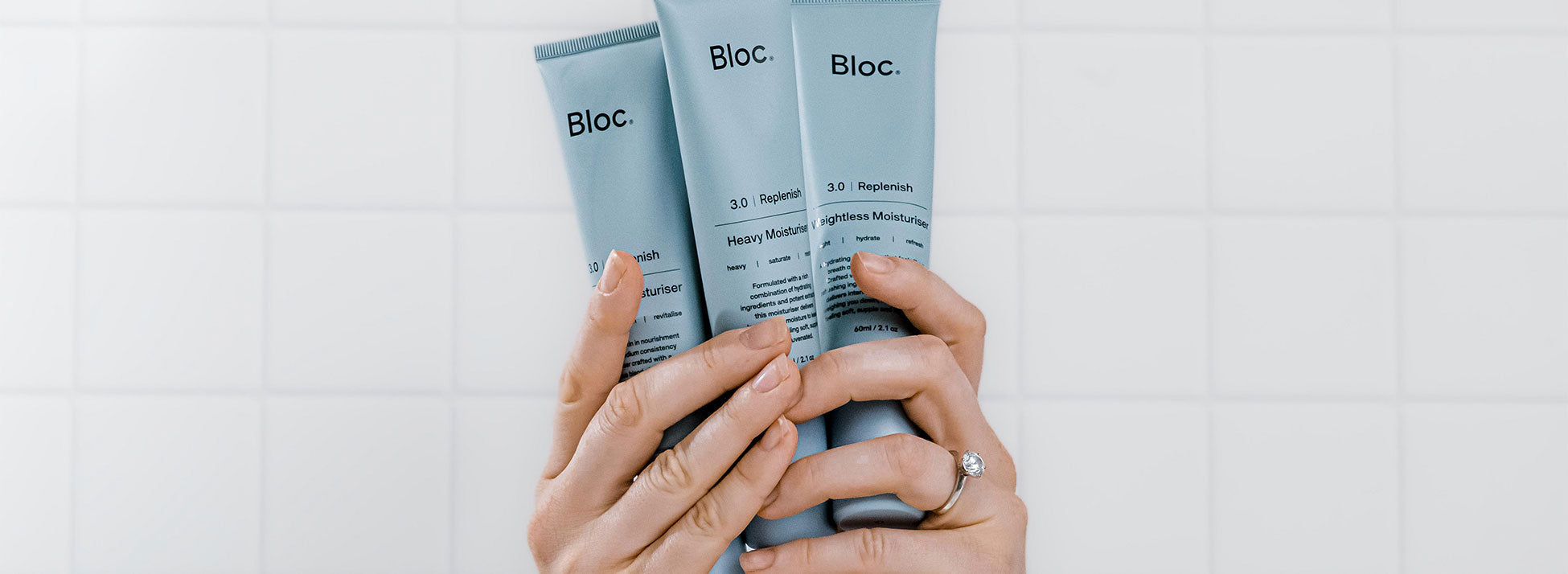
• Barrier-repair moisturisers rich in lipids and ceramides
• Hydrating serums with humectants
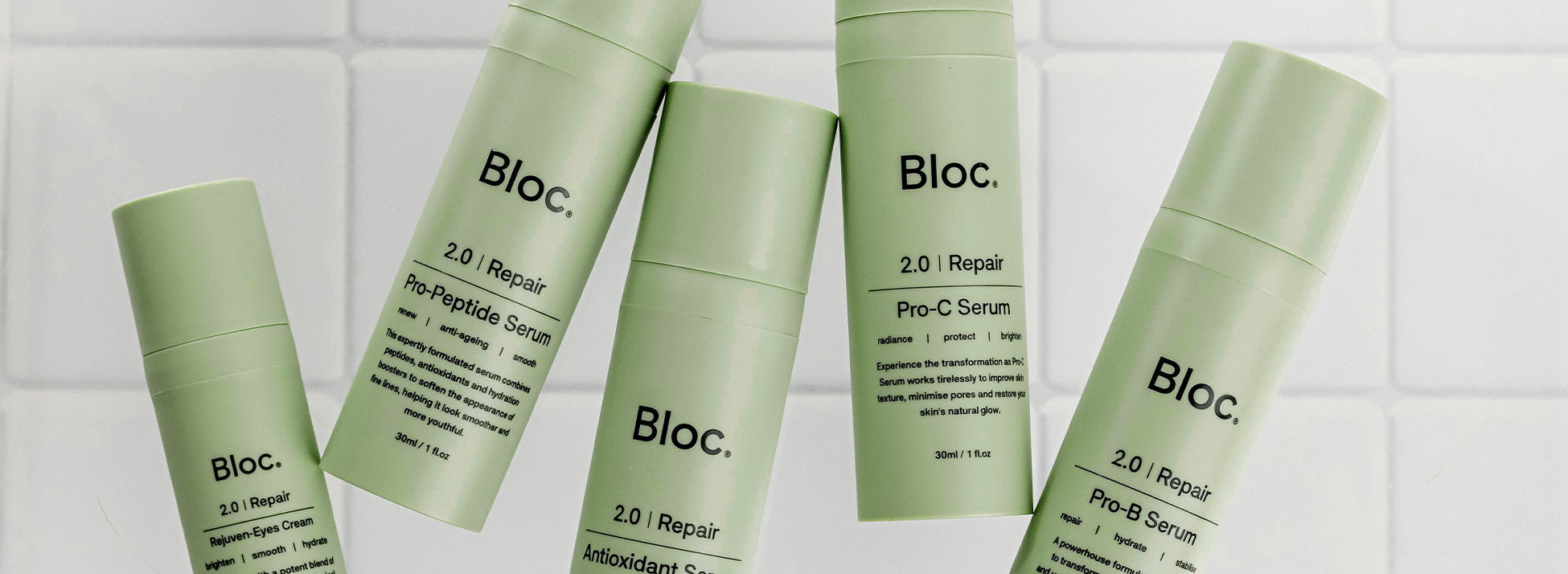
• Peptides to support collagen
Avoid overly harsh exfoliants and strong actives that can trigger sensitivity.
6. Is exfoliation still important?
Yes, but it should be gentle. Skin cell turnover slows during perimenopause, which can cause dullness. Mild chemical exfoliants used less frequently can help brighten without damaging the barrier.
7. Why is my skin suddenly more sensitive?
A weakened skin barrier and reduced oil production make skin more vulnerable to irritation from weather, stress, and active ingredients.
8. Can skincare help with hormonal ageing?
While skincare cannot stop hormonal changes, targeted ingredients like peptides, barrier-repair lipids, antioxidants, and hydrating actives can significantly improve firmness, comfort, and overall skin health.
9. Should I use different moisturisers at different stages?
Often yes. Many people find they need richer moisturisers as oil production declines. Using adjustable hydration levels helps skin stay comfortable as its needs change.
10. Is perimenopausal skin the same as menopausal skin?
Not exactly. Perimenopause is the transitional phase leading up to menopause, where hormone levels fluctuate unpredictably. Skin concerns can vary month-to-month, whereas post-menopausal skin tends to be more consistent.
11. How long does perimenopause last?
Perimenopause can last several years (commonly 4–10 years) before menopause begins, making long-term supportive skincare important.
12. Can lifestyle affect perimenopausal skin?
Yes. Stress, poor sleep, sun exposure, and diet can intensify dryness, sensitivity, and collagen loss. Supporting skin internally and externally delivers the best results.

